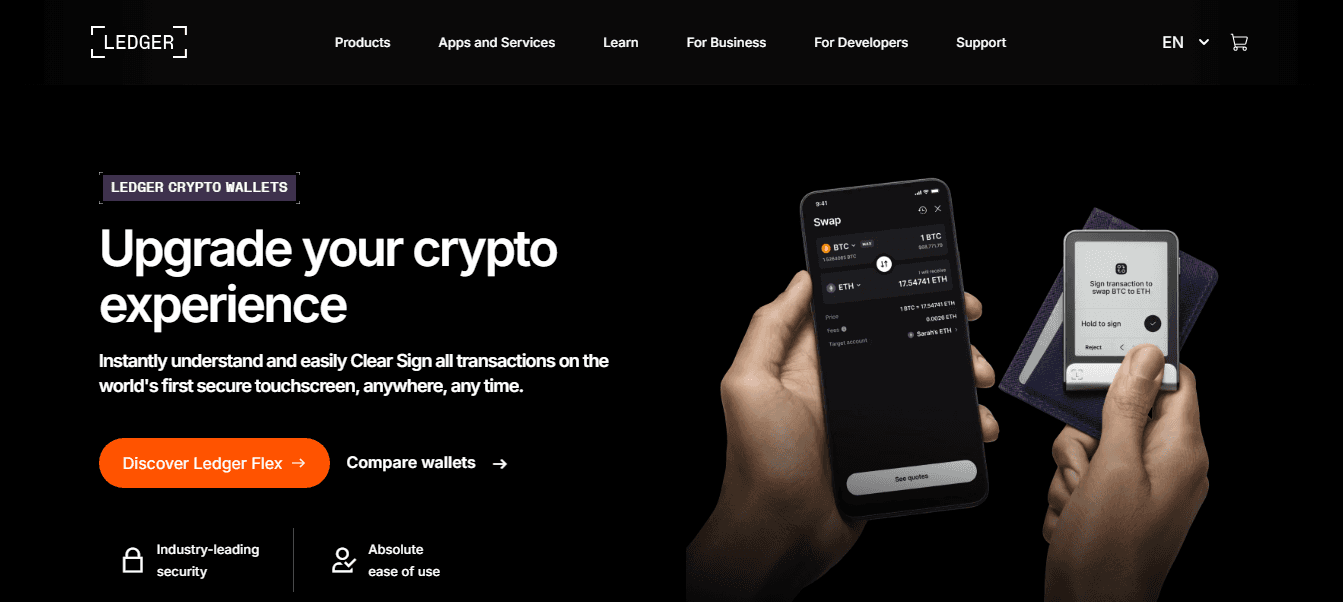
Ledger.com/start – The Complete Guide to Starting with Ledger Wallets
Ledger.com/start is the official entry point for anyone looking to securely set up and use a Ledger hardware wallet. Ledger devices, including the Ledger Nano S Plus and Ledger Nano X, store private keys offline, ensuring maximum security for cryptocurrencies. Ledger.com/start provides a step-by-step walkthrough—from unboxing your device to sending, receiving, and managing digital assets—while emphasizing security best practices.
Whether you are a beginner or an experienced crypto user, Ledger.com/start ensures you follow a secure and verified workflow.
What Is Ledger.com/start?
Ledger.com/start is a dedicated platform for Ledger users. It helps you:
Initialize your Ledger hardware wallet
Install and configure Ledger Live
Create and safely store your recovery phrase
Add and manage cryptocurrency accounts
Send and receive funds securely
Update firmware to maintain security
This official guide ensures users avoid common mistakes, phishing attacks, and malware risks.
Why Ledger Hardware Wallets Are Secure
Ledger wallets provide high-level protection for digital assets:
Offline Private Keys: Keys never leave the device, preventing online theft.
Transaction Verification: All transactions must be confirmed on-device.
Recovery Phrase: Restore wallets using a 24-word recovery phrase.
Multi-Currency Support: Supports Bitcoin, Ethereum, and thousands of other cryptocurrencies.
Ledger.com/start guides users to leverage these security features effectively.
Supported Devices
Ledger.com/start supports:
Ledger Nano S Plus: Affordable, beginner-friendly, supports multiple cryptocurrencies.
Ledger Nano X: Advanced device with Bluetooth, larger storage for apps, and mobile compatibility.
Both devices provide top-tier security and protect against unauthorized access.
Step 1: Preparing Your Device
Before setup:
Open the Ledger box and inspect it for tampering.
Connect the device to your computer or smartphone using the USB cable.
Ensure your device and computer are secure and free of malware.
Never use public or shared computers to set up your wallet.
Step 2: Access Ledger.com/start
Open a secure web browser and navigate to https://ledger.com/start.
Download Ledger Live, the official wallet management software.
Verify the authenticity of the file to prevent malware or phishing attempts.
This ensures you are using the official Ledger software.
Step 3: Install Ledger Live
Ledger Live is required for managing your cryptocurrency securely:
Select the version compatible with your operating system (Windows, macOS, Linux, Android, iOS).
Follow the on-screen installation instructions.
Launch Ledger Live and connect your Ledger device.
Ledger Live allows users to safely manage crypto accounts, balances, and transactions.
Step 4: Initialize Your Ledger Wallet
Initialization ensures your wallet is secure:
Creating a new wallet:
Choose “Set up as new device” on your Ledger.
Set a strong PIN directly on the device.
Generate a 24-word recovery phrase and store it offline.
Confirm the recovery phrase on your Ledger.
Restoring an existing wallet:
Select “Restore device from recovery phrase” in Ledger Live.
Enter your recovery phrase securely.
Set a new PIN.
The recovery phrase is critical for restoring access if the device is lost, stolen, or damaged.
Step 5: Connect to Ledger Live
After initializing:
Open Ledger Live.
Connect your Ledger device and ensure it is recognized.
Check for firmware updates and install them if available.
Firmware updates improve security and add new features.
Step 6: Add Cryptocurrency Accounts
Ledger Live allows management of multiple accounts:
Click “Add Account.”
Select the cryptocurrency to manage.
Confirm the account on your Ledger device.
Ledger Live supports a wide variety of cryptocurrencies for multi-asset management.
Step 7: Sending Cryptocurrency
To send cryptocurrency securely:
Choose the account to send from.
Enter the recipient’s address and the amount.
Review transaction fees and details.
Confirm the transaction on the Ledger device.
On-device verification keeps private keys offline and secure.
Step 8: Receiving Cryptocurrency
To receive cryptocurrency:
Select the receiving account in Ledger Live.
Generate a receiving address.
Verify the address on your Ledger device.
Share the verified address with the sender.
Verification prevents malware from altering the address.
Step 9: Portfolio Management
Ledger Live provides a clear portfolio overview:
Total value across all accounts
Individual cryptocurrency balances
Transaction history
Portfolio performance tracking
This allows secure monitoring of all holdings in one place.
Step 10: Security Features
Ledger devices offer advanced security:
PIN Protection: Prevents unauthorized access.
Recovery Phrase: Essential for wallet restoration.
Device Verification: All transactions confirmed on-device.
Encrypted Storage: Protects private keys from theft.
Ledger.com/start emphasizes proper use of these features.
Step 11: Backup and Recovery
Your recovery phrase is the most important security element:
Store it offline in a secure location.
Never share it digitally.
Use it to restore the wallet if the device is lost or damaged.
Proper backup ensures long-term access to your funds.
Step 12: Firmware Updates
Keeping firmware updated is essential:
Check for firmware updates in Ledger Live.
Follow on-screen instructions.
Confirm the update on your device.
Updates enhance security and introduce new functionality.
Step 13: Using Multiple Devices
Ledger Live can be installed on several computers or mobile devices:
Install Ledger Live on the new device.
Connect your Ledger wallet.
Enter your PIN.
Private keys always remain on the Ledger device, ensuring safe multi-device access.
Step 14: Troubleshooting
Common issues and solutions:
Device not recognized: Try a different USB port or cable.
Firmware update fails: Ensure a stable internet connection.
Missing accounts: Enable the cryptocurrency in Ledger Live or add it manually.
Ledger.com/start provides official guidance for troubleshooting.
Step 15: Security Best Practices
To protect your assets:
Always verify addresses on the device.
Keep your recovery phrase offline and secure.
Use strong, unique PINs.
Regularly update firmware and Ledger Live.
Avoid phishing websites and unverified apps.
Even with hardware protection, user diligence is crucial.
Step 16: Ledger Wallets vs Exchange Wallets
Ledger wallets offer self-custody, unlike exchange wallets:
Private keys remain under your control.
Funds cannot be frozen by exchanges.
KYC is optional.
Users are responsible for their wallet security.
Ledger.com/start emphasizes the advantages of self-custody and control over your funds.
Step 17: Who Should Use Ledger.com/start?
Ideal users include:
Beginners setting up their first hardware wallet
Security-conscious cryptocurrency investors
Long-term holders of multiple coins
Advanced users managing a diversified portfolio
Ledger.com/start provides a secure and guided experience for all types of users.
Step 18: Advanced Features
Ledger Live offers additional functionalities:
App Management: Install and manage apps for different cryptocurrencies.
Portfolio Analytics: Track performance over time.
Staking: Stake supported coins directly from Ledger Live.
Crypto Swap: Exchange cryptocurrencies without exposing private keys.
These tools enhance usability while maintaining Ledger’s high-security standards.
Step 19: Conclusion
Ledger.com/start is the official onboarding platform for safe cryptocurrency management using Ledger hardware wallets. Following this guide allows users to:
Set up their Ledger device safely
Install and use Ledger Live
Manage multiple cryptocurrency accounts
Send and receive funds securely
Backup and recover wallets
Maintain strong security and privacy practices